

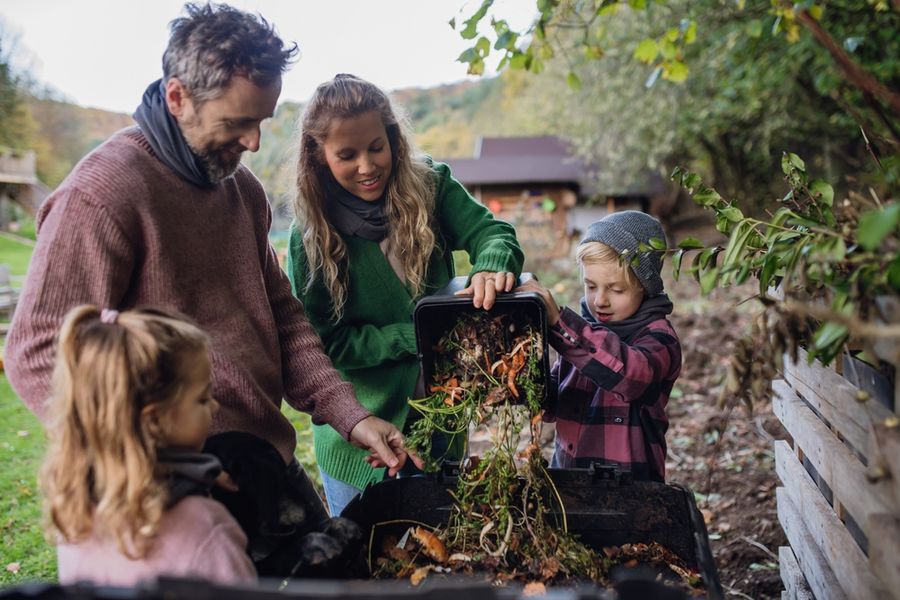
Starting a compost bin can feel easier when the setup matches your space, time, and comfort level. Beginner gardeners do not need a large yard or complex system to turn food scraps and yard waste into useful garden material. With a simple bin, steady routine, and basic mix of dry and fresh materials, you can make composting feel less messy and more manageable from the start.
Start With A Basic Outdoor Bin
A basic outdoor compost bin is a good first choice for many homes with a yard. It gives food scraps and yard waste one clear place to break down. The bin can be made from plastic, wood, wire, or another sturdy material, as long as air can move through it and the contents can be reached when needed.
This option works well for leaves, grass clippings, small plant trimmings, fruit scraps, and vegetable scraps. Composting at home can turn food scraps and yard trim into a soil amendment for later garden use. For beginners, the easiest plan is to add materials often, keep the bin from getting too wet, and give the pile some air with a garden fork.
Try A Compost Tumbler For Easier Turning
A compost tumbler is a closed bin that can be rotated by hand. This can be helpful for beginners who do not want to turn a pile with a shovel or fork. Since the container sits off the ground or inside a frame, it can also look tidier in a small yard or near a patio.
Tumblers are one of several composting systems gardeners can choose from, along with piles, single bins, multi-bin systems, cone composters, and other methods. A tumbler may be a good fit if the gardener wants a cleaner-looking setup and plans to add smaller amounts of material at a time. It is still important not to overfill it, since the contents need room to move when the bin is turned.
Use A Worm Bin For Small Spaces
A worm bin can be useful for people who do not have a large outdoor area. This type of setup uses worms, bedding, and food scraps in a container. It can fit in a garage, basement, utility room, or other protected spot if the bin is kept in good condition.
A worm composting bin needs moist shredded paper bedding, fruit and vegetable scraps, and the right type of earthworm. For beginners, this option works best when food is added slowly at first. Too much food can lead to smells or extra moisture. A simple rule is to let the worms keep up before adding more scraps.
Pick A Countertop Scrap Pail For Daily Use
A countertop scrap pail is not a full compost system, but it makes composting easier. It gives the kitchen one place for peels, cores, coffee grounds, and other small scraps before they go to the main bin. This can help beginners build the habit without walking outside after every meal.
Choose a pail with a lid that is easy to open while cooking. Empty it often, rinse it as needed, and keep it near the food prep area. A small pail is usually better than a large one because it encourages regular emptying before scraps sit too long indoors.
Consider A Simple Open Pile
An open compost pile is the most basic option for gardeners with enough yard space. It does not need a purchased bin, and it can be started in a back corner with leaves, grass clippings, and kitchen scraps. This method can be useful when the main goal is to handle yard waste after mowing, raking, or trimming plants.
The main drawback is that an open pile can look less neat than a closed bin. It may also be harder to keep animals away if food scraps are added. A beginner who chooses this option should place it in a practical spot and cover fresh kitchen scraps with dry leaves or other brown material.
Keep The Mix Simple
The most beginner-friendly compost routine is based on balance. Dry brown materials, fresh green materials, air, and moisture all help the pile break down. Browns can include dry leaves, small twigs, and shredded plain paper. Greens can include fruit scraps, vegetable scraps, coffee grounds, and fresh plant trimmings.
Brown materials provide carbon, green materials provide nitrogen, and water helps organic matter break down. If the bin smells sour or feels slimy, add more dry browns and mix it gently. If it looks very dry and nothing is changing, add a little water and fresh green material.
Know What To Leave Out
A beginner compost bin should stay simple and low-risk. Avoid adding meat, bones, grease, whole eggs, dairy products, pet waste, diseased plants, or weeds that have gone to seed. These items can cause odors, attract pests, or create garden problems later.
Do not compost pet feces, meat, bones, grease, whole eggs, dairy products, diseased plants, insect-infested plants, or weeds. Keeping these items out makes the bin easier to manage. It also helps beginners avoid the most common problems that make people quit composting early.
A Bin That Fits Your Life
The best compost bin is the one you will keep using. A basic outdoor bin is a steady choice for many yards. A tumbler can make turning easier. A worm bin can work in small spaces. A countertop pail can support any system by making kitchen collection simple.
Start with one setup, learn how it behaves, and adjust slowly. Composting does not have to be perfect to be useful. With the right bin and a simple routine, beginner gardeners can turn everyday scraps into something that supports a healthier, more active garden.