
A recovery corner is a small space at home where you can stretch, cool down, and care for tired muscles after exercise, work, or daily chores. It does not need to look like a gym or include expensive equipment. With a mat, foam roller, resistance bands, and a few comfort items, you can create a simple area that makes recovery easier to start, repeat, and keep organized.
Choose A Quiet, Open Spot
Start with a small area where you can move without bumping into furniture. A bedroom corner, living room wall, spare room, or basement space can work. The goal is to create enough floor room for stretching, gentle movement, and lying down on a mat.
Keep the area easy to use. If the mat, roller, and bands are hidden in a closet, you may forget about them. A basket, wall hook, or small shelf can keep everything close without making the room feel messy.
Add A Comfortable Exercise Mat
A mat gives your recovery corner a clear base. It helps define the space and makes floor work more comfortable. Use it for light stretching, breathing exercises, gentle core work, or a short cool-down after walking, cycling, lifting, or running.
Stretching can help improve flexibility and joint range of motion. A mat also protects the knees, hips, back, and hands from hard flooring. Choose one that stays flat, gives enough cushion, and is easy to wipe clean after use.
Use A Foam Roller For Tired Muscles
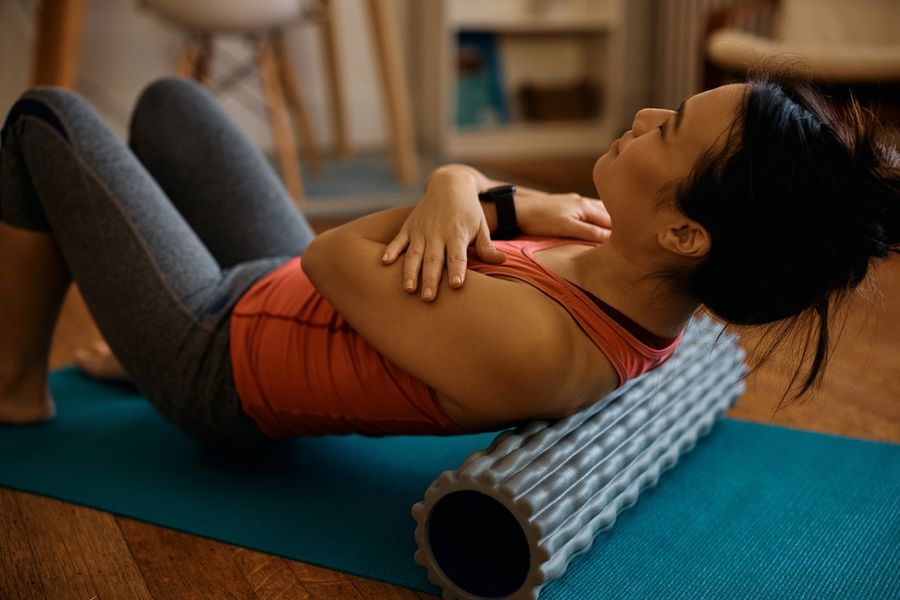
A foam roller is one of the most useful tools for a recovery corner. It can be used on the calves, thighs, hips, glutes, and upper back. Roll slowly, pause on tight areas, and avoid pressing hard on bones, joints, or sharp pain.
Foam rolling can help ease muscle soreness, support range of motion, and aid relaxation. It should feel like steady pressure, not punishment. Beginners can start with a softer roller and short sessions, then adjust as the body gets used to the feeling.
Keep Resistance Bands Nearby
Resistance bands are helpful because they take up little space and can support light strength work, mobility, and warm-ups. A loop band can help with hip and leg moves, while a longer band can help with upper-body work or gentle stretching.
Resistance bands can be used at home and adjusted for different fitness levels. Keep one light band and one medium band in the corner so you have options. Before each use, check for small tears or weak spots, since damaged bands can snap.
Add A Stretch Strap Or Towel
A stretch strap is useful for people who want more support during gentle stretches. It can help with hamstring stretches, calf stretches, shoulder movement, and slow mobility work. A regular towel can also work if you want to keep the setup simple.
The goal is control, not force. Use the strap to guide movement while keeping the body relaxed. If a stretch feels sharp, back off. A recovery corner should help the body feel calmer, not strained.
Include Small Comfort Items
Recovery is easier when the space feels inviting. Add a water bottle, small towel, cushion, or light blanket nearby. These items can support longer stretching sessions or quiet rest after exercise.
Lighting also matters. A soft lamp or natural light can make the corner feel less like a workout zone and more like a reset space. If the area feels pleasant, you may be more likely to use it often.
Create A Simple Routine
A recovery corner works best with a routine that is easy to repeat. After exercise, spend a few minutes walking around, then use the mat for light stretching. Add foam rolling if muscles feel tight, and use a band for gentle mobility when needed.
Do not try to do every tool every day. A short routine is more useful than a long one you avoid. Pick two or three movements that match how your body feels, then keep the pace slow and steady.
Keep Safety In Mind
Recovery tools should not replace medical care. If pain is sharp, sudden, or getting worse, stop and get help from a qualified professional. The same is true for swelling, numbness, dizziness, or pain after an injury.
Use each tool as directed and keep the area clear. Put bands away after use, wipe down the mat, and store the roller where it will not become a tripping hazard. A recovery corner should make the home safer and more comfortable.
Make Recovery Easy To Repeat
The best recovery corner is simple enough to use on busy days. A mat, foam roller, resistance bands, strap or towel, and a few comfort items can support stretching, light movement, and rest without taking over the home.
Start with the tools you will use most. Keep them visible, clean, and easy to reach. When recovery has its own place, it becomes less of a chore and more of a steady part of feeling good at home.