

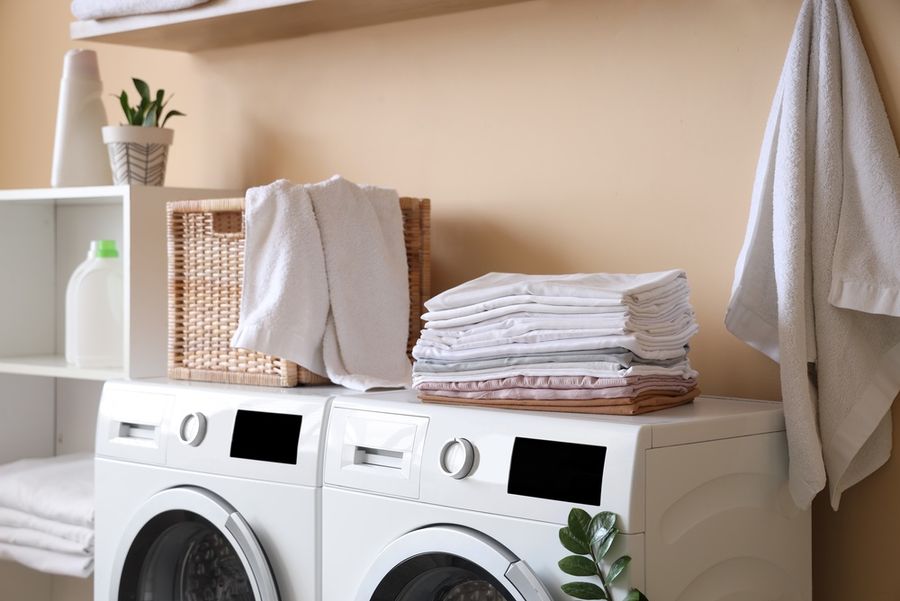
A small laundry room can still work well when every inch has a clear job. In many homes, the laundry area is a closet, hallway, corner, or shared mudroom, so smart storage matters. The right layout can make washing, drying, folding, and sorting feel less cramped. With simple tools, safer habits, and better use of walls, even a tight laundry space can feel cleaner, calmer, and easier to use.
Choose Appliances That Fit The Room
The washer and dryer should match the space, not fight against it. Before buying or moving machines, measure the width, depth, and height of the area, then check how far doors, drawers, and vents will need to open. A machine that fits on paper can still feel too large if it blocks a walkway or cabinet.
Stacking a front-load washer and dryer can free up floor space, but the appliance manual should be checked because stacking rules and measurements can vary by machine. This matters in smaller homes because a safe vertical setup may leave room for a hamper, slim cart, or folding station nearby. It can also help turn a closet into a more complete laundry zone.
Use The Walls Instead Of The Floor
When floor space is limited, the walls should carry more of the work. A shelf above the washer and dryer can hold detergent, stain remover, dryer sheets, and extra towels. Keeping these items off the floor makes the room easier to clean and helps prevent piles from forming around the machines.
Wall hooks are also useful in a narrow laundry area. They can hold mesh bags, ironing tools, lint brushes, or a small drying rack. A rail with hangers can give shirts a place to dry without using a large standing rack. The best wall storage is simple, easy to reach, and limited to items used often.
Add Slim Storage Between Gaps
Small gaps can become helpful storage spots. A narrow rolling cart between the washer and dryer can hold bottles, cleaning cloths, and small laundry tools. Since it can slide out when needed, it keeps supplies close without using much room. This is a good option for renters because it does not require a built-in cabinet.
Clear bins or labeled baskets can also make shelves work better. Instead of letting small items spread across one long shelf, group them by task. One bin can hold stain care, another can hold dryer items, and another can hold extra cleaning cloths. This keeps the room from feeling messy, even when storage is open.
Create A Folding And Sorting Zone
A laundry room does not need a large counter to be useful. A fold-down table, a board placed over front-load machines, or a small wall-mounted surface can create a place to fold clothes. The goal is to stop clean clothes from moving to the couch, bed, or dining table before they are put away.
Sorting can also be simple. Use one divided hamper if there is room, or use stackable baskets that can sit under a shelf. In a very small home, each person can have one basket for clean clothes. This reduces piles and makes it easier to move laundry out of the room after each load.
Make Daily Laundry Habits More Efficient
Space-saving is not only about shelves and machines. It is also about using the room in a way that keeps clutter from growing. Washing and drying full loads can make laundry time more efficient, and cold water is recommended when possible for many loads. This can help reduce how often the small room is in use.
A simple routine can also protect the space. Keep only one open detergent bottle in the room. Put empty containers in recycling right away. Return hangers to the same hook after clothes are put away. These small habits keep narrow shelves, counters, and carts from turning into catchall storage.
Keep Safety Part Of The Layout
A tight laundry space should still be easy to service and clean. Do not pack items behind the dryer or around vents. Leave the lint area easy to reach so it can become part of the regular routine. In a closet laundry setup, avoid storing loose items where they can fall behind the machines.
The lint filter should be cleaned before and after each dryer cycle, and lint should not be allowed to build up behind the dryer. This is especially important in smaller homes because laundry closets and hallway setups often have less open space around the machines. A safer room is also a room that works better.
A Small Laundry Room Can Still Feel Complete
The best small laundry room is not the one with the most storage. It is the one where every shelf, hook, basket, and appliance choice supports the way the home is actually used. Start with the biggest space problem, then solve it with one focused change at a time.
A stacked setup, wall shelf, slim cart, fold-down surface, or better hamper system can each make the room feel more open. When the layout is simple and the routine is easy to follow, a small laundry room can handle daily life without feeling crowded.