

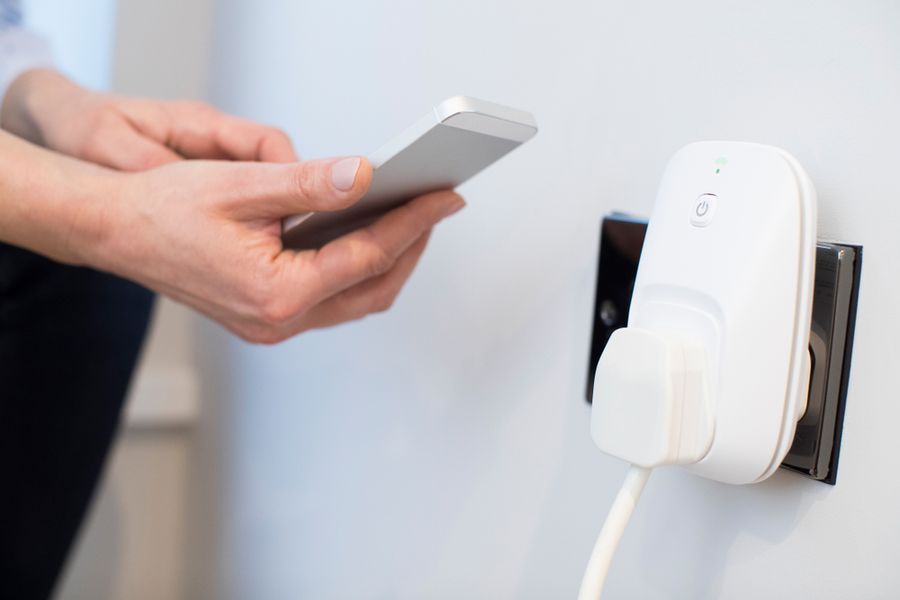
Smart plugs can help make a home easier to manage by giving everyday devices a clear on-and-off routine. They are most useful for items that stay plugged in but do not need power all day. With a few careful choices, a smart plug can reduce waste from lamps, chargers, fans, coffee stations, and entertainment gear while keeping the home simple, safe, and comfortable to use.
Start With Devices That Sit Idle
The best place to begin is with devices that spend long hours plugged in but are not always being used. These may include table lamps, phone chargers, small speakers, game systems, desk tools, and TV accessories. A smart plug can shut power off to these items at set times, so they are not left running by mistake.
Some appliances and electronics can keep using electricity even when they appear to be turned off. This does not mean every item needs a smart plug. Start with the devices you often forget to unplug, then build from there. A few well-placed smart plugs are easier to manage than a house full of schedules.
Set Schedules Around Daily Routines
A smart plug works best when it follows the way the home already runs. A living room lamp can turn on before sunset and turn off at bedtime. A coffee station can power up in the morning and shut off after breakfast. A desk lamp can follow work hours instead of staying on late.
Schedules are also helpful in guest rooms, kids’ rooms, and home offices. If a device is only needed during certain hours, the plug can handle the switch. This reduces the need to remember each small item. It also keeps the home from using extra power after people have left the room.
Use Smart Plugs For Lamps And Small Electronics
Lamps are one of the easiest uses for smart plugs. They do not need special setup beyond plugging the lamp into the smart plug and leaving the lamp’s own switch on. The smart plug then controls when power reaches the lamp. This can make a room feel ready without leaving lights on all day.
Small electronics can also be good matches. A charger station, printer, craft light, or speaker may not need power every hour. Putting these items on a timer can stop waste without changing how the room feels. The key is to use smart plugs for low-demand items that are easy to turn off fully.
Group Entertainment Gear With Care
Entertainment areas can collect many plugged-in items. A TV, streaming device, soundbar, game console, and small lights can all sit together. A smart plug or smart power strip can help manage some of these items when the area is not being used.
Smart power strips can help reduce “vampire loads” from electronics that draw power while not in active use. Still, do not shut off devices that need to update, record, or stay connected for a reason. For example, some streaming boxes, routers, or security devices may need steady power. Use smart control where it will not interrupt needed functions.
Watch Safety Before Saving Energy
A smart plug is not the right tool for every device. Before plugging anything in, check the smart plug’s rating and the device’s power needs. Avoid guessing. If the device uses heavy power or creates heat, it may need a regular wall outlet instead of a smart plug.
Overloaded cords and power strips can create a fire risk. For a safer setup, do not use smart plugs with space heaters, large kitchen appliances, air conditioners, or other high-power items unless the product directions clearly allow it. Saving energy should never come before safe electrical use.
Use App Controls To Fix Forgetful Moments
One helpful feature of many smart plugs is remote control through an app. This can help when someone leaves home and wonders whether a lamp, fan, or small device is still on. Instead of returning home or leaving it running, the plug can be switched off from a phone.
This works well for simple devices that do not need constant power. A bedroom lamp, holiday light strand, or desk fan can be turned off with a tap. This type of control is not a replacement for safe habits, but it can reduce common waste from forgotten items.
Keep The Setup Simple
A smart home can become confusing if every outlet has a rule. For most homes, a simpler plan works better. Choose a few places where energy waste happens often, such as a work desk, media area, entry lamp, or charging station. Name each plug clearly in the app so it is easy to control.
Review schedules after a week or two. If a lamp turns off too early, change the time. If a charger station is still on too long, shorten the schedule. Small changes help the setup match real life. The best smart plug plan is the one people in the home can understand and keep using.
Small Changes Can Reduce Daily Waste
Smart plugs are not a full energy plan on their own, but they can support better daily habits. They help turn off idle items, guide simple routines, and reduce the number of devices left running by mistake. Used with care, they can make a home feel more organized without adding much effort.
Start with one or two plugs in places where waste is easy to spot. Add schedules slowly, avoid high-power devices, and keep safety in mind. When smart plugs are used for the right items, they can make everyday energy use easier to control.